Perfect Jacket & Insulation Auto-Strips! Machine Set Guide
Perfect Jacket & Insulation Auto-Strips! Machine Settings Guide
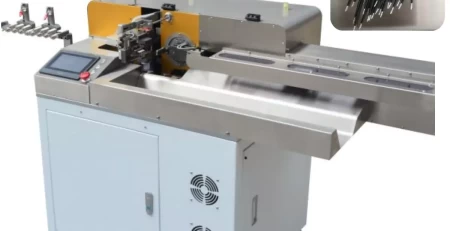
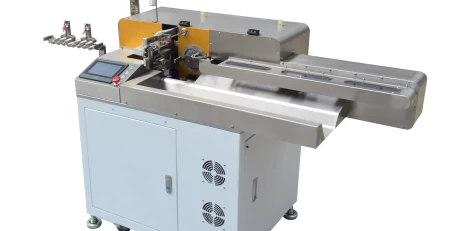
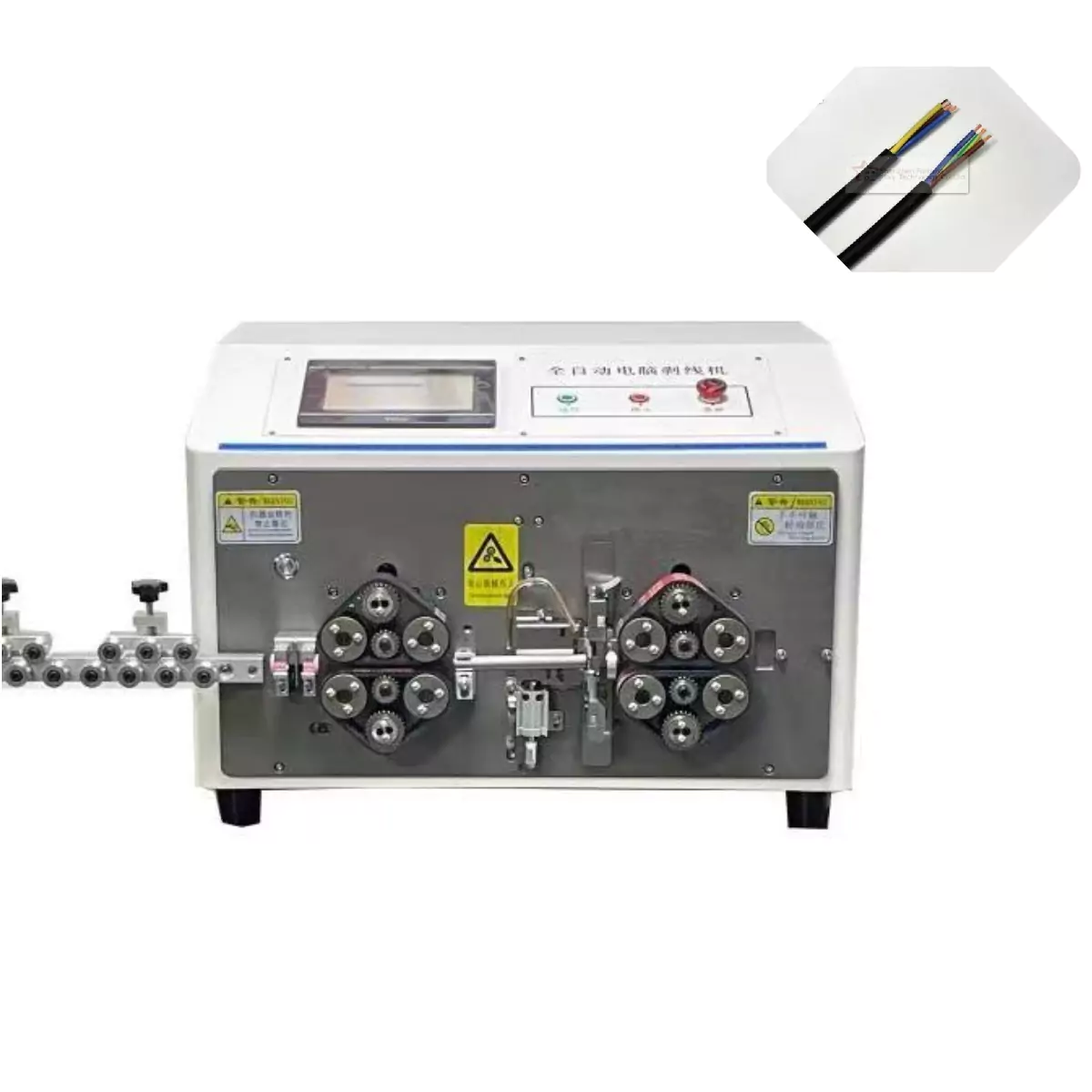
This companion explains the functions of blade value and retreat in Multicore Cable Jacket & Core Stripping Machine, using a general model as an illustration. By understanding these settings, you can assure optimal stripping results and defend your machine.
1. Introduction to Blade Movement Parameters
In automatic cable stripping machines, two critical parameters govern blade movement: Blade Value and Retreat. These settings directly impact stripping precision, efficiency, and machine longevity. Proper configuration ensures clean, consistent stripping while preventing damage to wires and equipment.
2. Defining Blade Value and Retreat
A. Blade Value
Function: Determines the depth and length of insulation removed from the cable.
Key Considerations:
Must be adjusted based on wire thickness and required stripping length.
Incorrect settings may result in insufficient stripping (exposing too little conductor) or over-stripping (damaging the conductor).
Adjustment Method:
Typically set via machine controls (digital input or manual calibration).
Refer to cable specifications before configuration.
B. Retreat (Blade Retraction)
Function: Automatically returns blades to their default position after each stripping cycle.
Purpose:
Ensures consistent operation for subsequent stripping tasks.
Prevents blade collision with the wire or machine components.
Importance of Proper Retreat:
Too slow → Risk of blade jamming.
Too fast → May cause incomplete stripping.
3. Step-by-Step Adjustment Guide
A. Setting Blade Value
Identify Cable Specifications
Measure wire diameter and insulation thickness.
Determine required stripping length.
Input Values into Machine
Use manual dials or digital interface (varies by model).
Test on a Sample Wire
Verify stripping accuracy before full operation.
B. Configuring Retreat
Check Manufacturer Guidelines
Different machines have unique retraction mechanisms.
Adjust Retraction Speed/Distance
Ensure blades fully disengage after cutting.
Run a Trial Cycle
Observe smoothness of blade movement.
4. Importance of Correct Settings
A. Precision Stripping Performance
Optimal Blade Value → Clean cuts without nicking conductors.
Proper Retreat → Prevents partial stripping or double-cutting.
B. Preventing Machine Damage
Excessive Blade Depth → Premature blade wear or motor strain.
Insufficient Retreat → Mechanical jams and misalignment issues.
C. Cost & Efficiency Benefits
Reduces material waste from faulty stripping.
Minimizes downtime for blade replacements.
5. Safety & Maintenance Best Practices
A. Operational Safety
✔ Wear Protective Gear – Gloves and safety glasses.
✔ Power Off Before Adjustments – Avoid accidental activation.
✔ No Forced Stops – Let the machine complete its cycle.
B. Routine Maintenance
Daily: Clean blades and remove debris.
Weekly: Inspect for blade dullness or misalignment.
Monthly: Lubricate moving parts (if specified).
C. Troubleshooting Common Issues
Problem Possible Cause Solution
Incomplete Stripping Incorrect Blade Value Recalibrate depth settings
Blades Not Retracting Faulty Retreat Mechanism Check sensors/motor function
Jagged Cuts Worn Blades Replace or sharpen blades
6. Conclusion: Maximizing Machine Performance
Properly configured Blade Value and Retreat are fundamental to:
✅ Accurate, repeatable stripping results
✅ Extended machine lifespan
✅ Operator safety
Pro Tip: Always keep the user manual accessible for model-specific guidance. For persistent issues, consult the manufacturer’s technical support.
By mastering these adjustments and adhering to maintenance protocols, operators can ensure peak efficiency from their cable stripping systems.