News

Common Malfunctions and Repair Methods for Automatic Aluminum Foil Cutting Machines

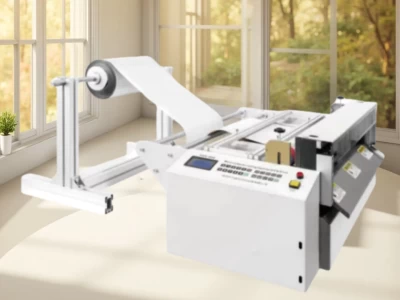
Automatic Aluminum Foil Cutting Machines are crucial for various industrial applications. However, like any complex machinery, they can encounter common issues. Here's a guide to frequent malfunctions and their respective troubleshooting methods: 1. Machine Fails to Operate After Power-On If your Automatic Aluminum Foil Cutting Machine shows no response after being powered on, investigate the following: Power Supply Connection: Verify that the power supply is actively providing power and that the main power switch is turned on. Cable Connections: Ensure all electrical cables are...
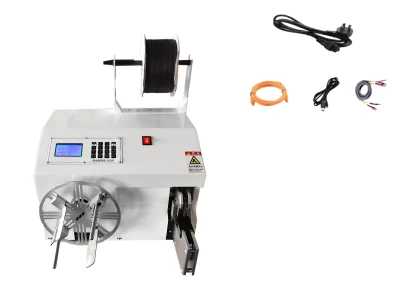
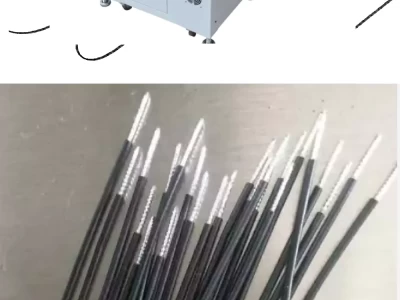
Troubleshooting Guide for Automatic Wire Coiling Twist Tie Machines: Fault Causes and Adjustment Methods for Unstable Twist Tie Length

Troubleshooting Guide for Automatic Wire Coiling Twist Tie Machines: Fault Causes and Adjustment Methods for Unstable Twist Tie Length I. Common Fault Causes of Automatic Wire Coiling Twist Tie Machines During operation, Automatic Wire Coiling Twist Tie Machines may encounter various malfunctions affecting normal performance. Key causes include: Mechanical Component Wear: Bearings, gears, and other mechanical parts wear down over time, leading to poor transmission or reduced precision. Electrical Component Failure: Issues like poor power contact or motor failure can prevent startup or cause unstable operation. Sensor...

Failure Analysis of Twisting Malfunctions in Automatic Wire Multi Cut Strip Twist Both-Ends Tinning Machines

I. Equipment-Related Issues Improper Machine Adjustment: Incorrect configuration of cutting, twisting, and tinning parameters may cause twisting failures. Solution: Recalibrate machine settings. Mechanical Component Damage: Worn or broken parts disrupt the twisting mechanism. Solution: Repair or replace damaged components. II. Wire Material Defects Inconsistent Wire Diameter: Diameter variations exceeding ±0.05mm cause irregular twisting patterns. Solution: Replace with standardized wires. Internal Wire Contamination: Impurities within conductors lead to unstable twisting. Solution: Use contaminant-free wires. III. Operational Errors Improper Handling: Insufficient operator training results in procedural deviations. Solution: Implement...

Cable Coiling Twist Tie Machine: Common Fault Causes and Adjustment Methods for Unstable Twisting Length

Common Fault Causes of Cable Coiling Twist Tie Machines During operation, cable coiling twist tie machines may encounter various faults that affect performance. Key causes include: Wear of Mechanical Components Bearings, gears, and other mechanical parts may wear over time, leading to reduced transmission efficiency or precision. Electrical Component Failures Issues such as poor power contact or motor malfunctions can cause startup failures or unstable operation. Sensor Malfunction Sensors detecting cable position, speed, or tension may fail, resulting in inaccurate motion control. Software Program Errors Bugs or compatibility issues...

Common Causes of Malfunctions in Wire Coiling Twist Tie Machines

Common reasons for malfunctions in wire coiling twist tie machines primarily include the following: Insufficient Equipment Precision: The machine frame, guide rails, lead screws, and other components of the coiling machine lack sufficient precision, leading to the wire not maintaining a straight state during the coiling process, thus resulting in uneven coiling. Unstable Tension Control: Improper tensioner settings or a faulty tension control system cause uneven tension in the wire during coiling, affecting the coiling quality. Unreasonable Winding Parameter Settings: Incorrect settings for...

Setup and Adjustment Methods for Automatic Wire Cutter Stripper

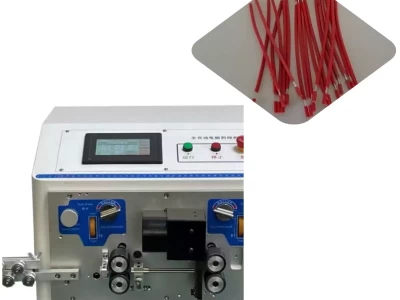
Setup and Adjustment Methods for Automatic Wire Cutter Stripper I. Adjustment of Stripping Blade Position The stripping blade position significantly impacts stripping quality. Improper depth (too deep or shallow) may cause poor stripping. Follow these steps: Locate the blade position by visual inspection (using light) or tactile confirmation. Adjust the blade to contact the insulation without cutting into the conductor. Test the result: Ensure complete insulation removal without conductor damage. II. Cutting Depth Adjustment Precise depth settings ensure optimal stripping: Measure the conductor diameter to determine suitable depth. Set...

Automatic Wire Cutting Stripping Terminal Crimping Machine: What It Is and How to Adjust It?

Automatic Wire Cutting Stripping Terminal Crimping Machine: What It Is and How to Adjust It Introduction In modern industrial production, the application of automated equipment is becoming increasingly widespread. As a crucial piece of automation equipment, the automatic wire cutting stripping terminal crimping machine plays a vital role in the electronics, electrical, and telecommunications industries. This article will introduce the definition, working principle, and adjustment methods of automatic wire cutting stripping terminal crimping machines, helping readers better understand and apply this equipment. Definition...

Winter Maintenance for Terminal Crimping Machines

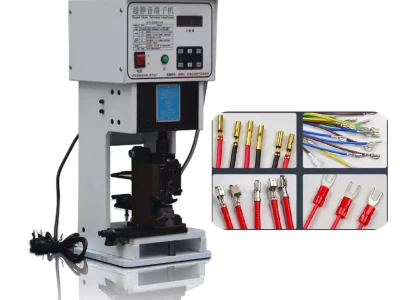
Winter Maintenance for Terminal Crimping Machines Daily Maintenance Lubrication: The terminal crimping machine's stamping guide rail should be lubricated every 1-2 hours. The oiling hole is located at the top of the machine. Add 2-3 drops of oil each time to avoid over-lubrication. Cleaning: Operators should clean the machine daily to remove dirt, dust, and excess oil from the machine's surface. Weekly Maintenance Bearing Lubrication: Open the terminal machine's rear cover. Remove the snap ring of the driven pulley. Remove the pulley. ...