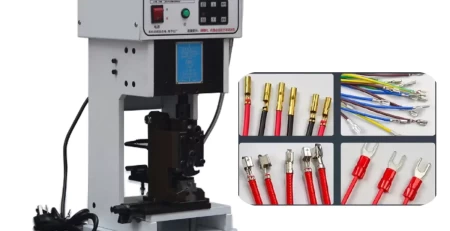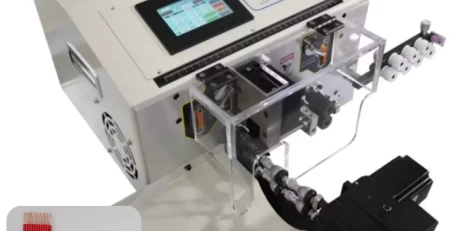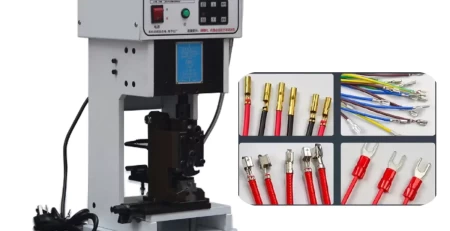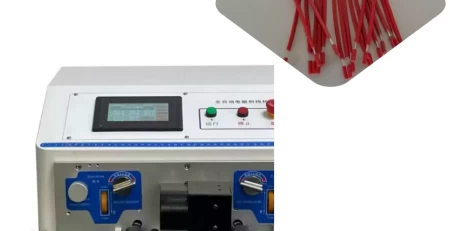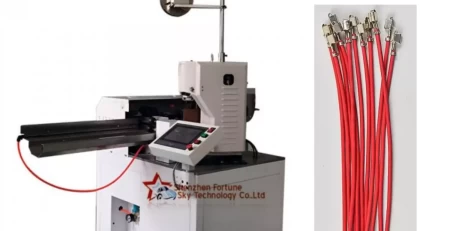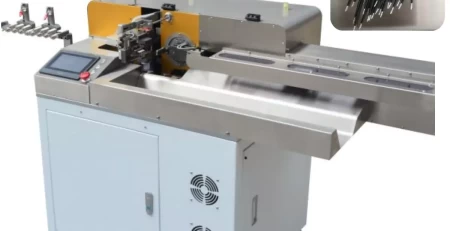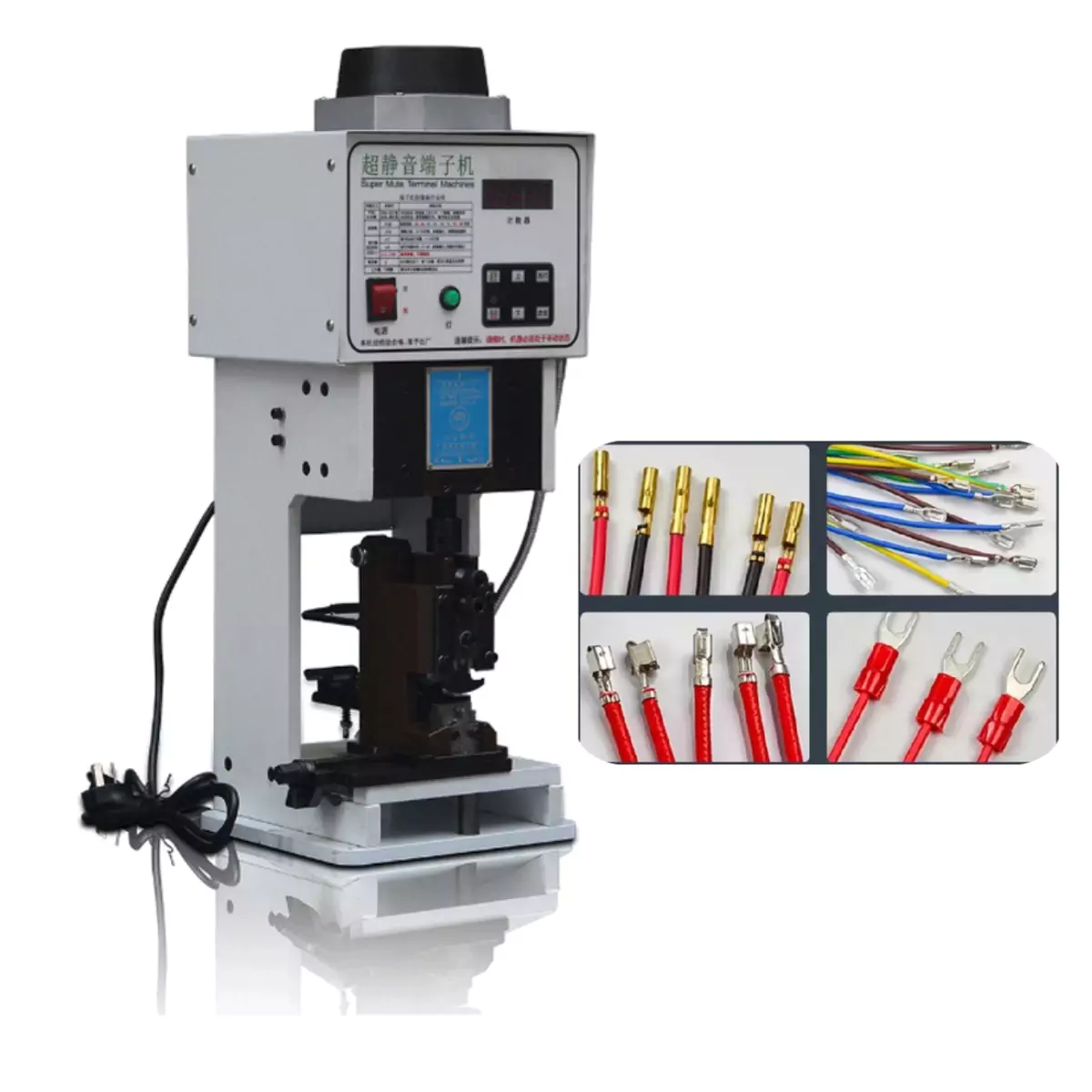
Chain Crimping Made Easy! Operate for Peak Performance
Chain Terminal Crimping Machine: Operation Procedures and Safety Guidelines
Chain terminal crimping machines play a pivotal role in establishing secure and dependable electrical connections. This guide outlines the proper operation procedures and safety guidelines to ensure the machine functions optimally and protects users from potential hazards.
I. Essential Requirements for Operators
1.1 Operators must be thoroughly familiar with the chain terminal crimping machine‘s structure, performance specifications, and safe operating practices. This includes understanding proper crimping techniques for the specific terminals being used.
1.2 Personal Protective Equipment (PPE) is mandatory for all operators. This typically includes safety glasses, hearing protection, and properly fitting gloves to protect hands from potential pinches or cuts.
II. Pre-Operation Preparation
2.1 Conduct a thorough visual inspection of the machine. Ensure all components are present, in good working order, and free from any visible damage.
2.2 Verify that the machine and surrounding work area are clean, dry, and free of excessive dust or corrosive gases. These elements can impact machine performance and safety.
2.3 Confirm a stable and reliable power supply. Ensure all power cords are securely connected and properly grounded to prevent electrical hazards.
2.4 Gather any necessary tools and safety equipment for the specific crimping job. This might include insulated tools for handling wires and safety gloves for additional hand protection.
2.5 Have readily available any relevant operational materials, such as the user manual, maintenance guides, and specific terminal crimping instructions.
III. Operating the Chain Terminal Crimping Machine
3.1 Pre-Start Checks:
Power Supply: Verify a secure connection between the machine and the power source. Ensure the power plug is properly grounded to prevent electrical shock.
Electrical Components: Inspect all electrical components and control systems for signs of damage, short circuits, or abnormal operation.
Mechanical Components: Check for smooth operation of the machine’s transmission components and lubrication systems. Listen for any unusual noises or signs of leaks.
Safety Systems: Verify the functionality of safety switches, limit switches, and protective devices to ensure they operate properly and prevent potential jams or malfunctions.
3.2 Start-up Procedures:
Power On: Turn on the main power switch and observe the indicator lights on the control panel.
Parameter Check: Verify that all displayed operating parameters are within the normal range for the specific crimping task.
Settings Adjustment: Select appropriate crimping settings based on the wire gauge, terminal type, and desired crimp style. Consult the user manual or terminal crimping instructions for specific recommendations.
Machine Start: Press the start button to initiate the crimping cycle. Observe the machine’s operation to ensure everything functions smoothly.
3.3 Operational Precautions:
Vigilance: Operators must remain attentive throughout the crimping process, monitoring the machine’s performance for any abnormalities.
Troubleshooting: If any unusual situations arise, immediately stop the machine and identify the problem. Do not attempt to operate the machine with malfunctions or force its operation.
Avoidance of Manual Intervention: While the machine is running, refrain from reaching into its internal components or adjusting settings to prevent accidental injury.
Noise Monitoring: Pay attention to the generated noise level during operation. If abnormal noises are detected, report the issue promptly or stop the machine for inspection.
IV. Shutting Down the Machine
4.1 Gradual Stoppage: Before shutting down, reduce the workload and allow the machine to return to its initial state.
4.2 Cleaning and Power Down: Ensure both the machine’s interior and exterior are clean. Turn off the power switch, disconnect the power cord from the outlet, and unplug it from the machine.
4.3 Workplace Clean-up: Remove any debris or leftover materials from the work area around the machine.
4.4 Documentation: Organize the user manual, maintenance records, and any other relevant operational documents, storing them in a designated location for easy future reference.
V. Daily Maintenance
5.1 Cleaning: Regularly clean the machine’s exterior surface to remove dust and oil buildup.
5.2 Lubrication: Conduct monthly lubrication maintenance as specified in the user manual. Inspect various components for wear and tear, promptly replacing any worn parts.
5.3 Regular Maintenance: Perform routine maintenance tasks such as cleaning air filters and checking cable joint and screw tightness.
5.4 Extended Inactivity: When the machine is not in use for extended periods, implement protective measures such as covering it to prevent dust accumulation.
VI. Safety Protection
6.1 Proper Attire: While operating the machine, avoid wearing loose clothing, gloves, or long sleeves that could get caught in the crimping mechanism.
6.2 Loose Objects: Keep long hair, scarves, or other loose items away from the machine’s moving parts to prevent them from being entangled or interfering with the crimping process.
6.3 Unauthorized Access: Restrict access to the machine’s operating area to authorized personnel only. This helps prevent unauthorized individuals from operating the machine without proper training or supervision.
6.4 Emergency Stop Procedure: Familiarize yourself with the emergency stop procedure. In case of an emergency, immediately activate the emergency stop to halt the machine’s operation and prevent further hazards.
6.5 Regular Safety Inspections: Conduct regular safety inspections of the machine to identify and address any potential hazards, such as worn or damaged components, loose guards, or electrical issues.
6.6 Maintenance by Qualified Personnel: Only allow qualified and authorized personnel to perform maintenance or repairs on the machine. This ensures that the work is done safely and according to the manufacturer’s specifications.
6.7 Follow Manufacturer’s Instructions: Always adhere to the manufacturer’s safety instructions and guidelines provided in the user manual or other relevant documentation.
By following these safety guidelines, operators can minimize the risk of accidents and injuries while ensuring the safe and efficient operation of the chain terminal crimping machine. Remember, safety should always be a top priority in any industrial setting.
Additional Tips for Safe Operation:
Report any safety concerns or hazards immediately to your supervisor or the appropriate personnel.
Participate in regular safety training sessions to stay up-to-date on safety procedures and hazard identification.
Use common sense and be aware of your surroundings when operating the machine.
Don’t operate the machine if you are tired, under the influence of drugs or alcohol, or otherwise impaired.
By following these additional tips, you can further enhance your safety and contribute to a hazard-free work environment.
Find expert terminal crimping machine technical resources on our specialized page.