Master Multi-Core Prep: Fix Strip & Crimping Machine Issues!
Troubleshooting Guide for Multi-Core Cable Stripping and Crimping Machine: 13 Common Issues
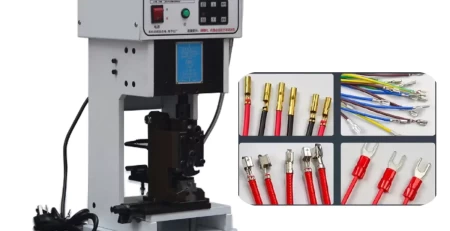
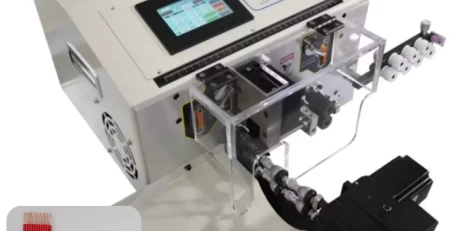
Multi-core cable stripping and crimping machines are workhorses in the cable assembly industry. However, even the most robust machines can encounter occasional hiccups. This guide tackles 13 common issues you might face, along with solutions to get your machine back in top shape.
Power and Activation:
Foot Pedal Failure: If pressing the foot pedal doesn’t activate the machine, but a direct connection to the aviation plug does, it likely indicates a faulty foot pedal. Repair or replace it.
Multiple Crimps: Two or more consecutive crimps might point to a faulty foot pedal. For 3-4 consecutive ones, inspect the proximity switch.
No Power: A blown fuse could be the culprit if the machine refuses to power on. Check and replace the fuse if necessary.
Performance Issues:
Slow Movement: Sluggish machine action might be due to insufficient lubrication. Ensure all contact surfaces are well-lubricated, and that the operating environment isn’t excessively hot.
Burning Motor: Smoke or a burning smell from the motor signals a potential burnout. Check for a jammed mold that could be overloading the motor.
Mold Jamming: An alarm on the display screen accompanied by a jammed mold can stem from a lack of lubrication on the mold and slider. Conduct a thorough inspection of the upper and lower blades for any signs of damage or wear.
Air and Pressure Problems:
Solenoid Valve Issues: If the solenoid valve receives a signal but the cylinder doesn’t activate, verify adequate air pressure. An open airflow switch or a burnt-out solenoid valve (possibly due to moisture in the air) could be the culprit. In such cases, replace the faulty component.
Stripping and Crimping Issues:
Broken Wires: Wires snapping during operation can be caused by wire skin residue within the stripping blade. Thoroughly clean the blade for smooth operation.
Airflow Noise: This could indicate damaged air pipe joints when the machine is idle but air is still flowing. Replace the damaged joints to eliminate the noise.
Stripping Blade Breakage: Improper alignment between the stripping blade and the wire clamping blade can lead to breakage. Readjust the alignment for proper operation. A loose stripping blade adjustment screw can also cause issues. Tighten it if necessary. If the problem persists, switch to manual mode and activate the stripping function separately. Finally, ensure proper foot pedal operation. If the solenoid valve receives a signal with correct foot pedal operation, but there’s no signal otherwise, contact the manufacturer for further assistance.
Safety and Maintenance Reminders:
Mold Replacement: Always turn off the machine power before replacing the mold for safety reasons.
Ultrasonic Interference: Erratic machine behavior can sometimes be caused by ultrasonic interference in the surrounding area. Minimize or eliminate such interference if possible.
Safety First: Always keep both hands away from the machine before powering it on to prevent injury.
By following these troubleshooting steps and implementing preventative maintenance practices, you can keep your multi-core cable stripping and crimping machine functioning optimally, ensuring efficient and reliable cable processing.