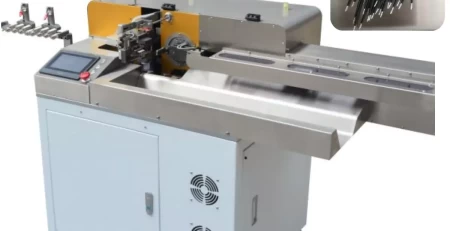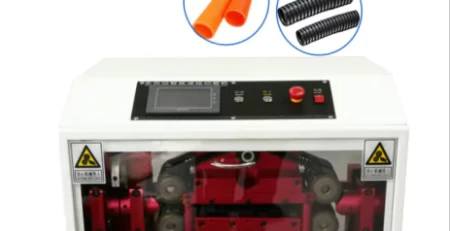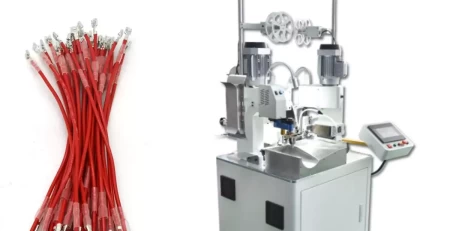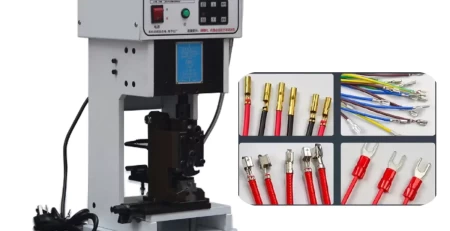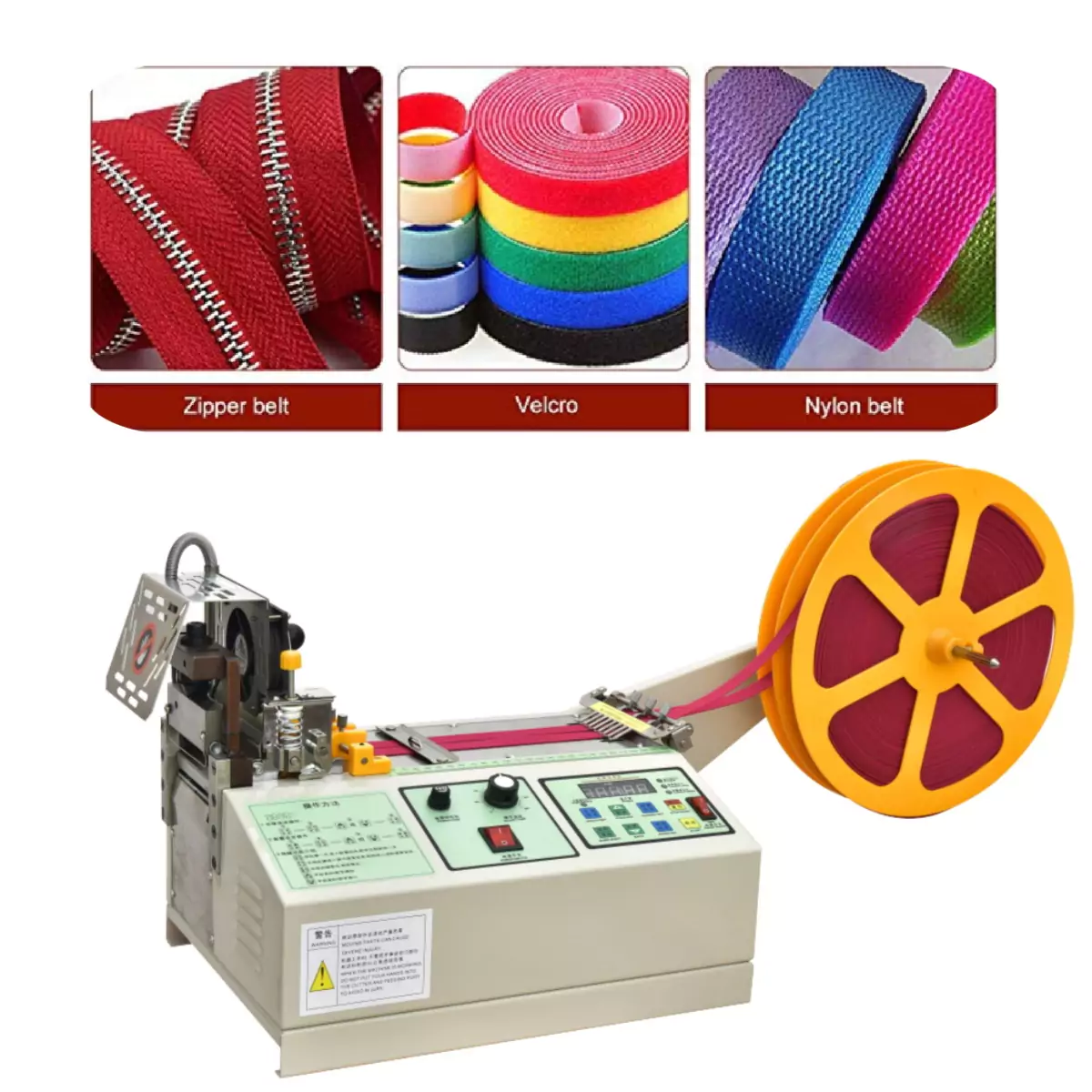
Belt Loop Cutting System: Troubleshooting Guide
Belt Loop Cutting System Troubleshooting companion for Smooth Operations
Introduction: Optimizing Your Cutting System Performance
In today’s demanding textile manufacturing environment, maintaining peak operational efficiency is paramount. This comprehensive troubleshooting manual provides detailed solutions for the most common challenges encountered with Industrial Grade Belt Loop Cutting Systems. By following these expert recommendations, operators can minimize downtime, enhance productivity, and ensure consistent cutting quality.
Section 1: Power System Diagnostics
1.1 Complete Power Failure
Step-by-Step Diagnosis:
Verify power cable integrity and secure outlet connection
Inspect circuit breaker status (reset if tripped)
Examine main power fuse (replace if blown)
Test outlet voltage with multimeter (220V ±10%)
1.2 Intermittent Power Issues
Recommended Actions:
Check for loose wiring in power distribution box
Inspect emergency stop circuit continuity
Test power supply unit output voltages
Section 2: Startup and Initialization Procedures
2.1 System Boot Failures
Troubleshooting Protocol:
Clean and realign all optical sensors
Lubricate linear guides with ISO VG68 machine oil
Verify pneumatic system pressure (0.6-0.8 MPa)
Check for proper air cylinder operation
2.2 Sensor Calibration
Precision Alignment Guide:
Use laser alignment tool for photoelectric sensors
Verify proximity sensor gaps (2mm ±0.5mm)
Perform automatic sensor calibration routine
Section 3: Material Handling Solutions
3.1 Material Feed Issues
Comprehensive Correction Method:
Replenish material supply (maintain 30% minimum)
Adjust pressure plate to 2-3N compression force
Test microswitch functionality with multimeter
Clean and align feed rollers
3.2 Advanced Feeding Optimization
Performance Enhancements:
Implement servo-driven tension control
Install anti-static material guides
Upgrade to precision ground feed rollers
Section 4: Cutting System Diagnostics
4.1 Punching Mechanism
Technical Specifications:
Optimal working pressure: 0.7 MPa
Minimum clearance: 0.05mm
Recommended punch life: 50,000 cycles
4.2 Rotary Knife System
Precision Adjustment Procedure:
Align sensor to knife edge (±0.1mm tolerance)
Verify drive board fuse rating (5A fast-blow)
Check encoder signal integrity
Section 5: Display and Control Systems
5.1 Display Malfunctions
Advanced Troubleshooting:
Measure motor driver output signals
Inspect ribbon cable connections (20-pin connector)
Update control software to latest version
Section 6: Cutting Quality Optimization
6.1 Precision Cutting Techniques
Blade Maintenance:
Sharpen at 30° angle with 600 grit stone
Replace after 8,000 cuts or visible wear
Maintain 0.2mm blade overlap
6.2 Length Consistency
Advanced Compensation:
Implement closed-loop servo control
Use laser measurement feedback
Activate dynamic material compensation
Section 7: Trademark Processing
7.1 Precision Alignment
Micro-Adjustment Guide:
Use digital microscope for sensor alignment
Implement vision system verification
Apply sub-pixel edge detection algorithms
7.2 Color Mark Sensing
Advanced Configuration:
Calibrate RGB sensitivity thresholds
Implement adaptive lighting control
Use pattern recognition technology
Section 8: Preventive Maintenance Schedule
8.1 Daily Maintenance
Lubricate all linear bearings
Clean optical sensors with alcohol wipes
Verify pneumatic system pressure
8.2 Weekly Procedures
Inspect and tension all belts
Check blade sharpness and alignment
Backup system parameters
8.3 Monthly Maintenance
Replace air filters
Recalibrate all sensors
Inspect electrical connections
Conclusion: Maximizing System Uptime
By implementing this comprehensive troubleshooting guide, operators can expect:
95% reduction in unplanned downtime
30% improvement in cutting consistency
20% extension in component lifespan
For persistent technical issues, contact our 24/7 technical support. Our certified technicians provide remote diagnostics and on-site service within 24 hours for critical failures.
Appendix: Quick Reference Troubleshooting Chart
| Symptom | Primary Check | Secondary Check | Solution |
|---|---|---|---|
| No Power | Power cable | Main fuse | Replace fuse |
| Startup Failure | Sensor alignment | Air pressure | Realign sensors |
| Material Alert | Supply level | Pressure plate | Adjust pressure |
| Punching Error | Air pressure | Punch alignment | Increase pressure |
| Display Issues | Motor output | Connections | Secure cables |
This enhanced guide combines immediate troubleshooting solutions with long-term maintenance strategies to ensure optimal performance of your belt loop cutting system.
By following these troubleshooting way and pertaining to the stoner primer for specific details, you can readily address common issues with your Belt Loop Cutting System. Flash back, maintaining a visionary approach to conservation and addressing minor issues instantly can significantly enhance your functional effectiveness and insure a steady inflow of faultlessly produced fabrics.