Max Wire Output: Auto Cut & Crimp Guide
Operating an Automatic Wire Cutting and Crimping Machine: A Step-by-Step Guide
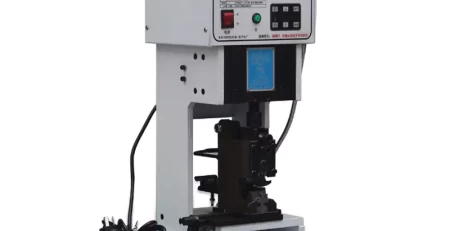
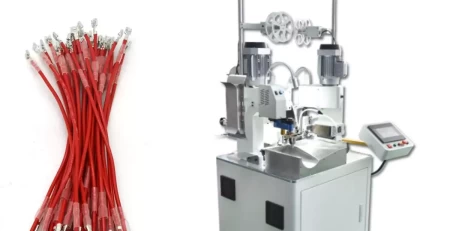
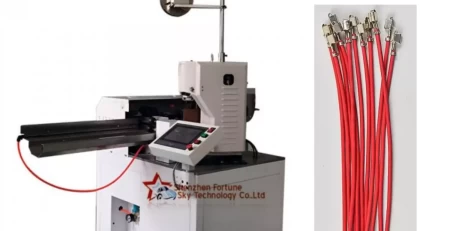
Automatic wire cutting and crimping machines streamline wire processing tasks, enhancing efficiency and production output. Here’s a breakdown of the essential operating steps to ensure smooth and safe operation:
1. Power Up and Initial Checks:
Turn on the power switch on the junction box. The power indicator light should illuminate, signifying successful activation.
Perform a visual and auditory inspection of the machine. Listen for any unusual sounds from internal or external components. Report any abnormalities to maintenance personnel for potential repairs.
2. Tool Usage and Adjustments:
Always use the tools provided by the machine manufacturer.
Blade Support Tool: Designated personnel should utilize the blade support tool to ensure proper blade alignment during maintenance.
Measurement and Handle Operations: Power down the machine before using the dedicated handle to rotate the terminal driver pulley. Excessive resistance or difficulty in turning the handle could indicate high pressure or other mechanical issues.
Locking Screws: Check if any locking screws need adjustment or loosening to facilitate tool operations.
3. Device Adjustments:
Terminal Feeder: Gently adjust the feeding plate using a hex wrench. The terminals should move through the feeder smoothly. If resistance occurs, loosen the lock screws and dynamically adjust the diameter of the spiral rod until smooth feeding is achieved. Retighten the screws afterward.
4. Quality Control: Tensile Testing
Conduct a tensile test on scrap wire using the dedicated tensile testing machine. Observe its operation and note the key reference values, such as the zero tension setting.
Terminal Wire Testing: Secure the terminal wire using the electric clamp for testing. If the measured tensile force falls outside the standard range, maintenance personnel should make adjustments to achieve the required value.
5. Production and Quality Assurance:
Submit the first ten produced units for inspection by the designated quality control personnel (IPQC). Once approved, mass production can begin.
Terminal Operators’ Responsibilities: During production, terminal operators should routinely check for issues like plastic bags or defects in hanging materials. Additionally, a terminal tensile test should be conducted every hour to maintain consistent quality.
6. Automatic Cleaning:
A significant advantage of modern automatic wire cutting and crimping machines is their built-in cleaning functionality. A dedicated dust and debris removal system located at the rear of the machine automatically cleans residual materials generated during the cutting process. This prevents debris accumulation within the machine, contributing to long-term operational efficiency.
By adhering to these operating procedures, you can ensure the safe and effective use of your automatic wire crimping machine. Remember to follow the manufacturer’s specific instructions and safety guidelines for optimal performance and longevity of your equipment.