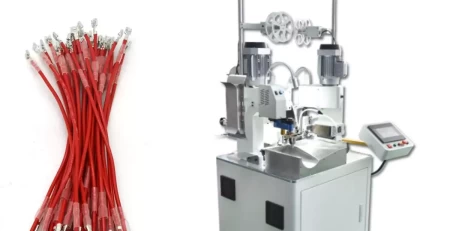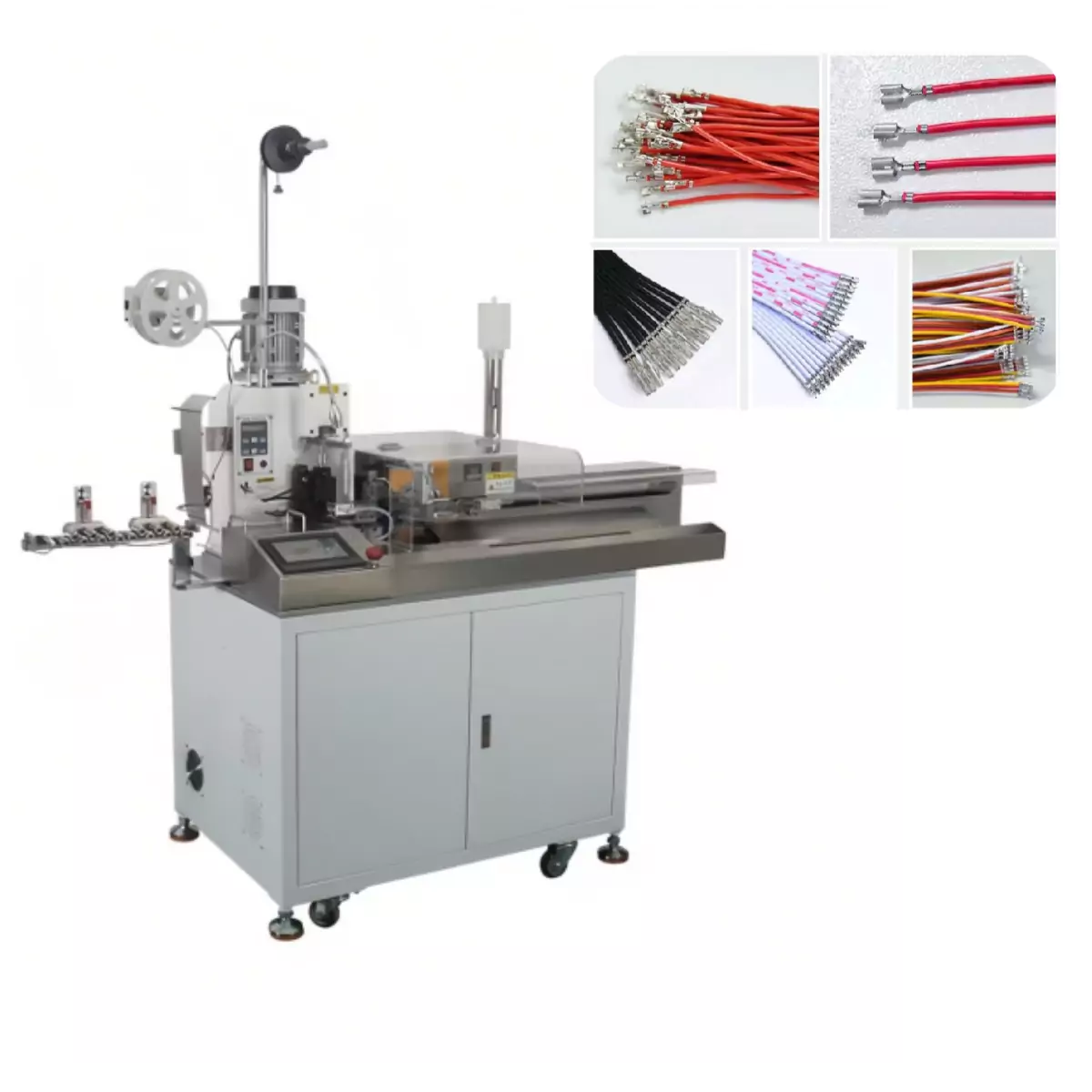
Troubleshoot Ribbon Cable Crimping Machines
Keeping Your Ribbon Cable Crimping Machine Running Smoothly: A Guide to Troubleshooting Common Issues
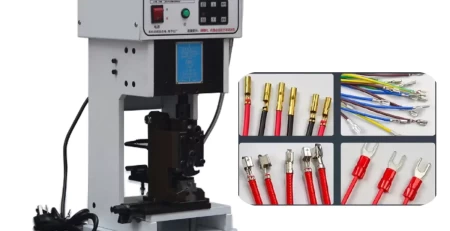
Fully automatic ribbon cable single-head crimping machines are a cornerstone of efficient wire processing. However, like any mechanical device, they can encounter occasional hiccups. This guide outlines common issues that might arise and provides troubleshooting steps to get your machine back to peak performance.
Preventative Maintenance is Key
Developing a routine for preventative maintenance is crucial for maximizing machine uptime and minimizing costly downtime. Regular inspections should be conducted to check for:
Proper Functionality: Ensure all components, including the applicator, wire feeder, and crimping head, are operating smoothly and efficiently.
Loose Connections: Tighten any loose screws, bolts, or electrical connections that could lead to malfunctions.
Worn Parts: Inspect components like the wire feeder guides and applicator tips for signs of wear and tear. Replace worn parts promptly to prevent potential machine jams or faulty crimps.
By proactively addressing these minor issues, you can prevent major breakdowns and ensure your machine operates reliably.
Troubleshooting Machine Malfunctions
If your machine exhibits abnormal behavior during operation, stop it immediately and conduct a systematic inspection.
Here are some common causes to investigate:
Gun-Type Swing Arm Alignment: Verify that the swing arm guide is securely connected to the wire and properly aligned with the terminal blade. Misalignment can lead to incomplete or uneven crimps.
Terminal Blade Positioning: Ensure the terminal blade is positioned correctly within the swing arm guide. Incorrect placement can affect the crimping force and compromise the connection’s strength.
Terminal Auxiliary Pressure Block: Check if the terminal auxiliary pressure block is secure and hasn’t become loose. A loose block can cause inconsistent crimping pressure.
Terminal Spacing Variation: Verify that the distance between the terminals hasn’t changed from the recommended specifications. Improper spacing can affect the effectiveness of the crimping process.
By systematically checking these elements, you can often identify the root cause of the malfunction and take corrective action.
Verifying Crimp Quality: The Tensile Strength Test
Maintaining consistent and reliable crimp connections is vital for electrical safety and long-term functionality of your finished product. After making adjustments to the machine, perform a tensile strength test using scrap cable according to the instructions outlined in the user manual’s “Tensile Test Table.” This test verifies the crimped connection’s ability to withstand pulling force. By referencing the key values in the table, you can ensure your machine produces crimps that meet the required strength specifications.
Conclusion
By following these guidelines for preventative maintenance and troubleshooting, you can effectively address common issues with your fully automatic ribbon cable crimping machine. Remember, prompt action and adherence to the manufacturer’s instructions are crucial for maintaining optimal machine performance and ensuring safe and efficient operation. This will keep your production line running smoothly and minimize the risk of costly downtime.