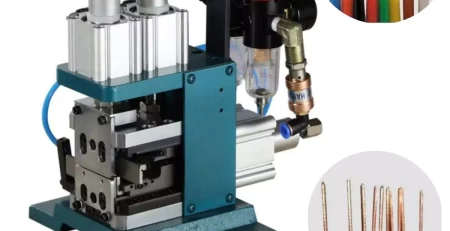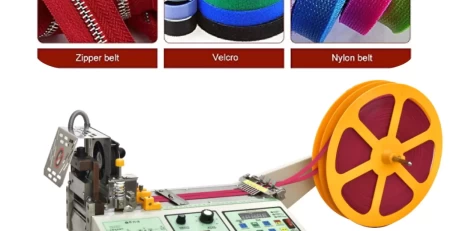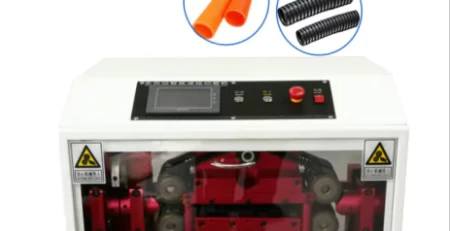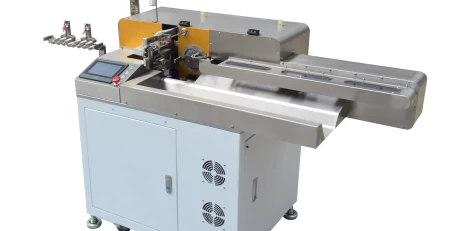
How to Choose the Right Semi-Automatic or Fully Automatic Wire Stripping Machine?
How to Choose the Right Semi-Automatic or Fully Automatic Wire Stripping Machine?
Selecting the appropriate wire stripping machine requires considering several factors:
1. Stripping Requirements
- Wire type, diameter range, and stripping length: Determine the types of wires to be processed, the range of diameters, and the required stripping length.
- Stripping precision and quality requirements: Choose a machine that meets the precision requirements based on product quality standards.
2. Capacity Requirements
- Production demand: Evaluate the required stripping speed and output of the production line.
- Automation level: Fully automatic wire stripping machines generally have higher capacities but also higher costs.
3. Wire Characteristics
- Material, hardness, and special requirements: Different materials and hardnesses of wires have different performance requirements for stripping machines.
- Adaptability: Select a machine that can adapt to various types of wires.
- Section 4: Evaluating Ease of Operation
4.1 Operational Complexity Assessment
When selecting a terminal crimping machine, consider these key usability factors:Learning Curve: Evaluate the intuitiveness of the control interfaceLook for machines with touchscreen HMI (Human-Machine Interface)
Prefer models with guided setup wizards
Consider multilingual support if operating internationally
Changeover Efficiency:
Time required for tooling/die changes
Ease of parameter adjustments for different wire gauges
Availability of preset configurations for common applications
4.2 Maintenance Requirements Analysis
Assess long-term maintenance needs: Maintenance Aspect Ideal Features Red Flags Routine Cleaning Tool-less access to critical areas Requires disassembly for basic cleaning Lubrication Automatic or minimal manual points Frequent greasing requirements Calibration Self-diagnostic capabilities Requires external technician for adjustments Part Replacement Standardized components Proprietary parts only available from OEM
Section 5: Budget Considerations
5.1 Cost-Benefit Analysis Framework
Develop a comprehensive budget evaluation:
Initial Investment:
Base machine cost
Essential accessories/tooling
Shipping and installation
Operating Costs:
Energy consumption
Consumables (terminals, blades)
Maintenance parts
ROI Calculation:
Compare against manual labor costs
Calculate payback period based on production volume
Cost-Saving Strategy: Consider refurbished/remanufactured machines from reputable dealers
Section 6: Brand and Quality Evaluation
6.1 Brand Reputation Assessment
Develop a brand scoring system:
Market Presence:
Years in business
Installed base
Industry recognition/awards
Quality Certifications:
ISO 9001 compliance
CE/UL certifications
Industry-specific standards
After-Sales Support:
Warranty terms (standard vs extended)
Service network coverage
Average response time
6.2 User Feedback Analysis
When reviewing user comments, pay special attention to:
Consistency of Performance across different shifts/operators
Durability under continuous operation
Actual vs Claimed specifications
Supplier Responsiveness to issues
Research Tip: Check industry forums and trade associations for unbiased reviews
Section 7: Hands-On Evaluation Methods
7.1 Practical Testing Protocol
When arranging machine demonstrations:
Prepare Test Samples:
Bring your actual wires and terminals
Include your most challenging specifications
Evaluation Checklist:
Setup time for new program
First-pass yield rate
Noise/vibration levels
Ejection consistency
Stress Testing:
Continuous operation for 1+ hours
Rapid changeovers between configurations
7.2 Sample Machine Trial Program
Structure a meaningful trial period:
Duration: Minimum 5-7 production days
Metrics Tracking:
markdown
– Uptime percentage
– Reject rate
– Operator comfort feedback
– Maintenance interventions required
Support Requirements: Document vendor assistance needed during trial
Section 8: Support and Training Services
8.1 After-Sales Service Evaluation
Create a vendor scoring matrix:
Service Component Minimum Requirement Ideal Offering
Onsite Support Next business day 24/7 availability
Remote Assistance Email support Real-time video diagnostics
Spare Parts 2-week delivery Local inventory
Software Updates Annual updates Cloud-based automatic upgrades
8.2 Training Program Assessment
Verify training provisions:
Basic Operator Training:
Duration (minimum 8 hours hands-on)
Certification process
Training materials quality
Advanced Maintenance Training:
Electrical/mechanical depth
Troubleshooting methodologies
Available refresher courses
Negotiation Tip: Request training credits as part of the purchase package
Implementation Roadmap
Requirements Definition (Week 1-2)
Document all application specifications
Establish evaluation criteria weights
Market Research (Week 3-4)
Identify 4-6 qualified suppliers
Collect preliminary quotations
Detailed Evaluation (Week 5-7)
Conduct factory/site visits
Perform hands-on testing
Interview reference customers
Decision Making (Week 8)
Final cost-benefit analysis
Internal stakeholder review
Purchase order preparation
By following this structured approach, you can systematically identify the optimal terminal crimping solution that balances performance, cost, and long-term reliability for your specific production needs.
Selection Recommendations:
- Small-scale production: Semi-automatic stripping machines may be more suitable.
- Large-scale production or high-precision requirements: Fully automatic stripping machines are a better choice.
- Multiple types of wires: Choose a machine with flexibility and adaptability.
Find expert automatic wire cutter stripper technical resources on our specialized page.