Smooth Chain Terminal Crimping: Easy Fixes for Common Issues
Troubleshooting Chain Terminal Crimping Machine: A Guide to Smooth Operation
Maintaining a chain terminal crimping machine is vital for consistent, high-quality results. A clean and well-maintained machine minimizes downtime and ensures optimal performance. Here’s a guide to identify and address some common issues encountered during operation. Remember, if any problems persist after following these steps, consulting the manufacturer’s manual or contacting a qualified technician is recommended.
Preventing Minor Malfunctions:
Daily Inspection and Cleaning: Perform a thorough visual inspection of the chain terminal crimping machine before each workday. Look for any loose wires, debris, or signs of wear and tear. Clean the machine with a dry cloth to remove dust and accumulated dirt. Regularly cleaning the machine prevents minor malfunctions from escalating into bigger problems.
Troubleshooting Common Issues:
1. Inconsistent Cutting Length:
Cause: Incorrect wire feeding pressure or a malfunctioning straightener.
Solution:
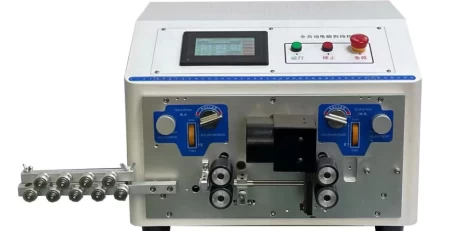
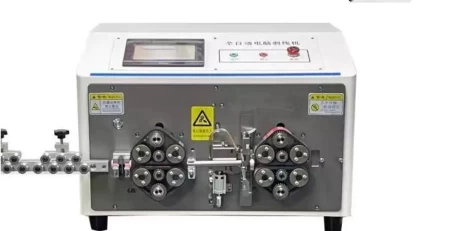
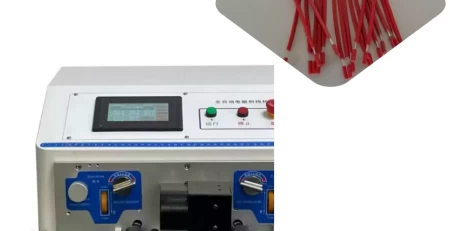
Pressure Adjustment: The wire feeding wheels might be applying excessive or insufficient pressure. Use the rolling wheel micro-adjustment device to fine-tune the gap between the wheels, ensuring the wire feeds smoothly without being flattened or too loose.
Straightener Adjustment: An overly tight or loose straightener can cause inconsistent cutting lengths. Adjust the straightener to maintain its straightening function while allowing for smooth wire feeding.
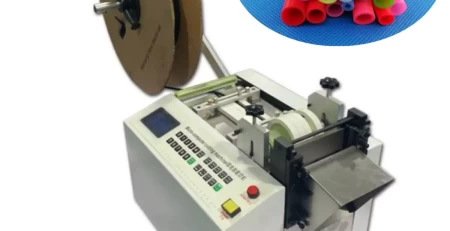
Cutting Knife Replacement: Worn or damaged cutting knife edges can lead to uneven cuts. If adjustments don’t resolve the issue, replace the cutting knife with a new one.
2. Uneven Stripping Length:
Cause: Incorrect wire feeding pressure or improper stripping knife settings.
Solution:
Pressure Adjustment: Similar to issue 1, adjust the gap between the feeding wheels to ensure optimal wire feeding pressure.
Stripping Knife Depth Adjustment: The stripping knife might not be positioned correctly. Use the depth adjustment device to set the knife blade to the appropriate level. This ensures clean insulation removal without damaging the copper wire core.
Stripping Knife Replacement: If adjustments don’t resolve the issue, replace the stripping knife blade with a new one.
3. Machine Startup or Stoppage Issues:
Cause: Various factors can contribute to this problem, including power supply issues, jammed wires, or loose connections.
Solution:
Power and Air Pressure Verification: Ensure the machine receives the correct power input (typically 220V) and adequate air pressure (around 6KG).
Resetting Total Quantity: If the machine has a set total quantity function, check if it has been reached. If so, reset the counter and restart the machine after powering it off completely.
Checking for Jammed Wires: Inspect the machine for any wire jams or obstructions in moving parts. Clear any obstructions to allow for smooth operation.
Verifying Connections: Ensure all signal and power connections are secure and functioning properly. Loose connections can disrupt the machine’s operation.
4. Uneven Copper Wire Exposure:
Cause: Misalignment of various components can cause uneven exposure of copper wires in crimped terminals.
Solution:
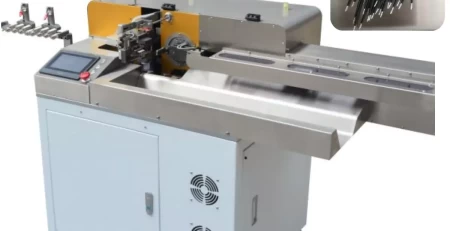
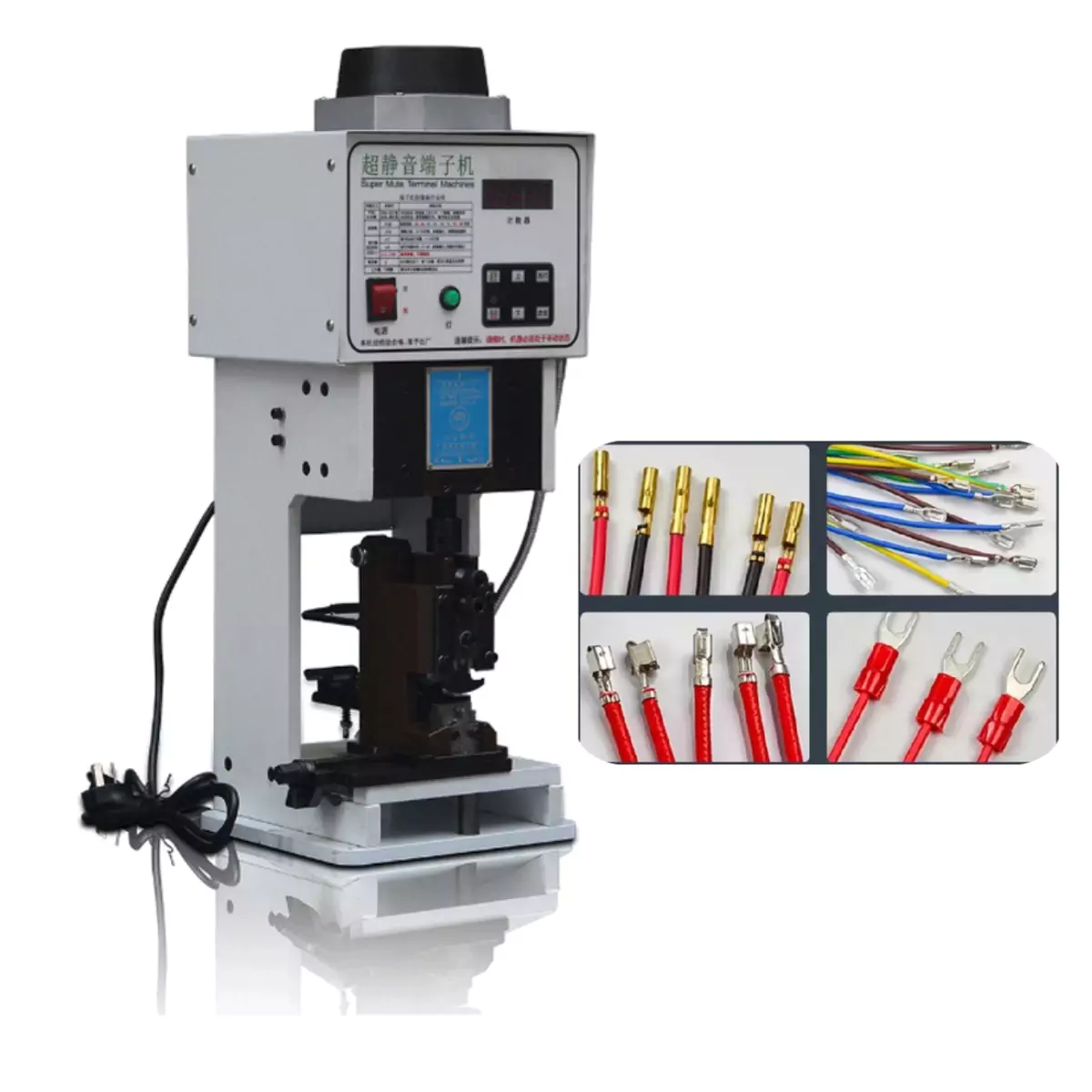
Swing Arm Alignment: Check if the gun-shaped swing arm guide is properly aligned with the wire. Any misalignment can lead to uneven crimping.
Terminal Machine Knife Edge Alignment: Verify that the terminal machine knife edge is aligned precisely with the swing arm guide.
Auxiliary Pressure Block Check: Ensure the auxiliary pressure block on the terminal machine is secure and free of any looseness.
Distance Verification: Examine the distance between the terminal machine and the automatic machine. Any changes in this distance can affect the crimping process.
By following these troubleshooting steps and maintaining a proactive maintenance routine, you can ensure your chain terminal crimper operates smoothly and consistently delivers high-quality crimps for your projects. Remember, early detection and addressing of minor issues can save time and resources in the long run.