Blade Replacement Key for Optimal Wire Stripping Performance
Optimizing Performance: A Guide to Cable Wire Stripping Machine Blade Replacement
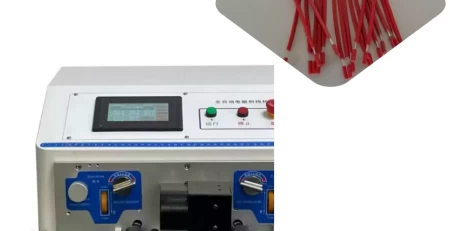
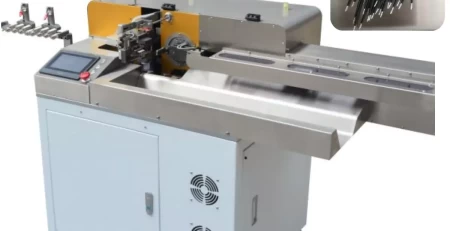
The Cable Wire Stripping Machine plays a crucial role in streamlining wire processing tasks. However, like any tool, its blades require periodic replacement to maintain peak performance and ensure efficient operation. This guide equips you with the knowledge for quick and effective blade changes on your machine.
Identifying Blade Wear
Cable wire stripping blades are considered consumable parts, meaning their functionality diminishes with continuous use.
Regularly inspect them for signs of wear that can impact cutting quality and efficiency:
Dullness: A dull blade struggles to cleanly sever wire insulation, often resulting in ragged edges or incomplete stripping.
Deformation: Bends or nicks in the blade can cause uneven stripping or damage to the wire conductors.
Discoloration: Significant discoloration might indicate excessive heat buildup during operation, potentially weakening the blade and accelerating wear.
Selecting the Appropriate Blade
Cable wire stripping machines typically utilize one of three primary blade materials:
General Material: These blades offer a cost-effective option but are prone to faster wear under heavy workloads. They are suitable for occasional use.
High-Speed Steel: Often referred to as “white steel,” this material provides superior hardness and wear resistance compared to general-purpose blades. Its increased durability makes it a popular choice for frequent wire stripping tasks.
Cemented Carbide: Sometimes known as tungsten steel, cemented carbide blades represent the pinnacle of blade performance. They boast exceptional hardness, wear resistance, and heat tolerance, making them ideal for demanding industrial applications.
The Replacement Process
Safety First: Prioritize safety by powering down your Cable Wire Stripping Machine and disconnecting it from the power source before starting the replacement process. This prevents accidental activation.
Step-by-Step Replacement:
Blade Removal: Locate the appropriate screwdriver and use it to loosen the screws securing the blade in place.
Blade Extraction: Carefully remove the old blade, paying close attention to its orientation and position within the machine.
Blade Replacement: Replace the old blade with a new one of the same type and size. Ensure proper alignment based on the removed blade’s positioning.
Lubrication (Optional): For improved cutting performance and rust prevention, consider applying a thin layer of light machine oil to the new blade.
Reassembly: Reinstall the blade and tighten the screws securely, aligning them with the original configuration.
Benefits of Regular Blade Replacement
Maintaining a regular blade replacement schedule offers several advantages:
Enhanced Wire Stripping Quality: Sharp blades guarantee clean and precise wire stripping, minimizing conductor damage and raising the overall quality of output.
Increased Efficiency: Dull blades require more force to cut through wires, leading to slower processing times and reduced overall efficiency.
Extended Machine Lifespan: Worn blades can put undue strain on the machine, potentially causing premature wear and tear of other components.
Investing in Your Machine
By proactively replacing blades, you safeguard the smooth operation and long-term functionality of your Cable Wire Stripping Machine. This translates to consistently high-quality wire processing, improved production efficiency, and ultimately, maximizing your return on investment for the machine.