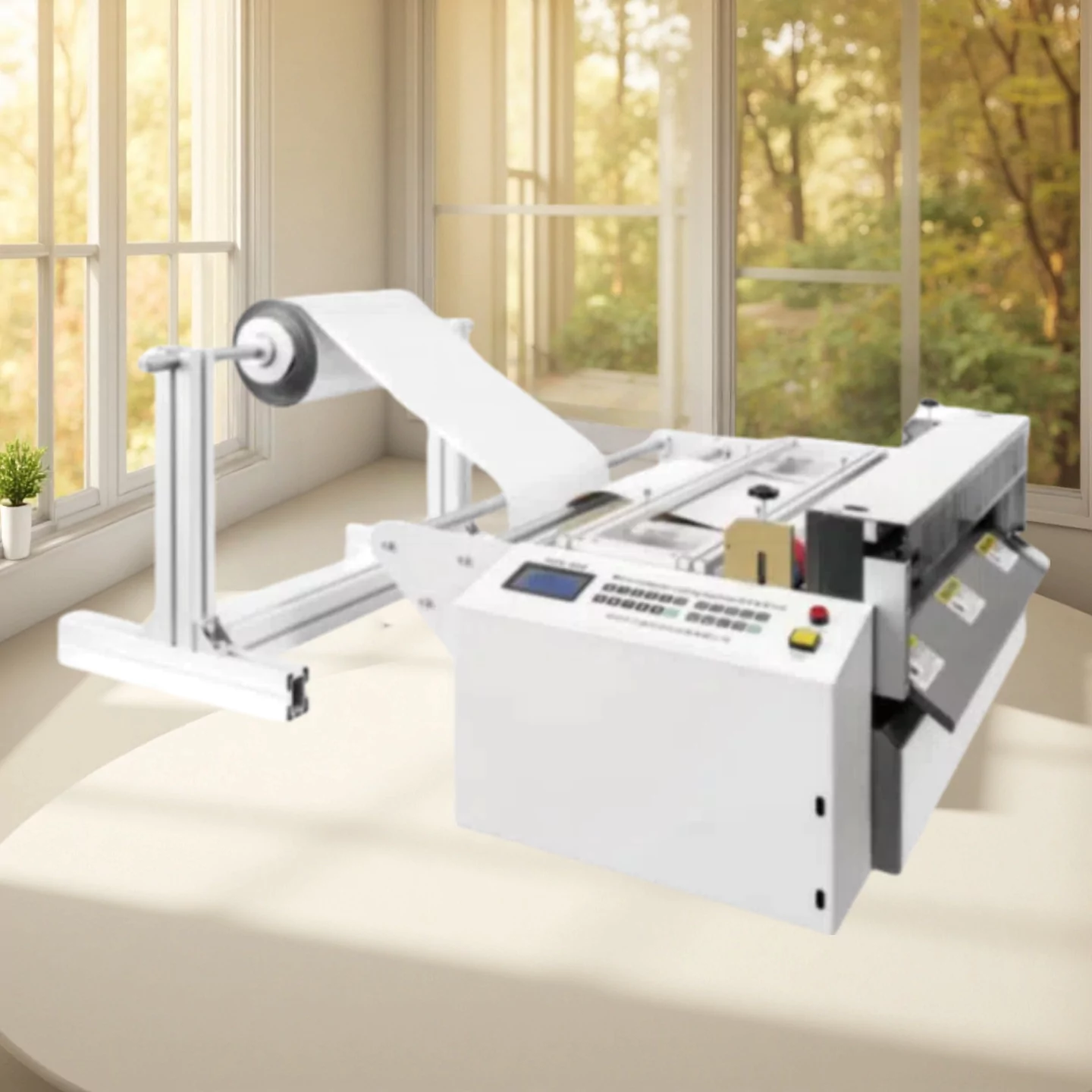
Common Malfunctions and Repair Methods for Automatic Aluminum Foil Cutting Machines
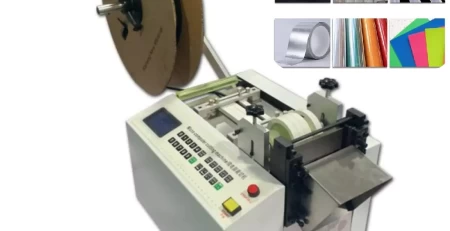
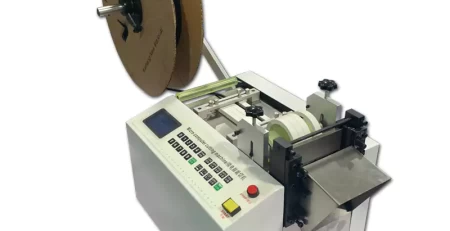
Automatic Aluminum Foil Cutting Machines are crucial for various industrial applications. However, like any complex machinery, they can encounter common issues. Here’s a guide to frequent malfunctions and their respective troubleshooting methods:
1. Machine Fails to Operate After Power-On
If your Automatic Aluminum Foil Cutting Machine shows no response after being powered on, investigate the following:
Power Supply Connection: Verify that the power supply is actively providing power and that the main power switch is turned on.
Cable Connections: Ensure all electrical cables are securely connected between the cutting machine and the power source.
Controller Malfunction: Check the controller’s display screen. If the display is abnormal or blank, it might indicate a hardware failure within the controller.
2. Poor or No Cutting Quality
When the Automatic Aluminum Foil Cutting Machine fails to cut properly or the cut quality is unsatisfactory, consider these checks:
Blade Wear: If the machine frequently cuts thicker materials, the cutting edge of the blade can wear down significantly, leading to poor cut quality. In such cases, the blade needs replacement.
Incorrect Cutting Position: Confirm that the cutting position aligns with the designed position of the workpiece, including parameters like cut length and angle.
Insufficient Blade Pressure: Ensure that the pressure applied by the cutting blade meets the required specifications. Insufficient pressure can also result in poor cutting quality.
Damaged Pressure Roller: If the positive pressure roller is damaged during operation, it can negatively impact cutting quality and should be replaced.
3. Circuit Faults
Circuit problems are quite common in Automatic Aluminum Foil Cutting Machines. If the machine experiences a circuit fault, such as a failure to power on, first check if the main power line is properly connected, if the power switch is on, and if there are any broken wires within the distribution cabinet. Additionally, circuit board failure can cause electrical issues during operation. Inspect the circuit board for swollen capacitors or loose solder joints.
4. Weak Sealing (For Machines with Sealing Function)
If your Automatic Aluminum Foil Cutting Machine also has a sealing function and the seal is weak, consider these potential causes:
Improper Cold Pressing Roller Pressure: Adjust and appropriately increase the pressure of the cold pressing rollers.
Excessive Heat Sealing Speed: Reduce the heat sealing speed to allow sufficient time for the seal to form.
Insufficient Heat Sealing Temperature: Increase the heat sealing temperature to ensure proper bonding.
5. Temperature Gauge Display Failure
If the temperature gauge fails to display correctly and the sealing temperature becomes uncontrollable, it’s likely due to a malfunctioning thermometer or thermocouple. These components will need to be repaired or replaced with a new thermocouple of the same model and specifications.
6. Intermittent Operation and Inconsistent Speed
If your Automatic Aluminum Foil Cutting Machine operates intermittently or with inconsistent speed, the primary cause is often a loose or detached connection between the motor shaft and the gearbox. Re-tighten all screws to ensure a secure and flush fit, which should resolve the issue.
7. Irregular Marks or Bubbles on the Seal
When irregular marks or bubbles appear on the sealed area, it might be due to uneven indentations on the cold pressing rollers or an unsmooth, uneven high-temperature belt. In such cases, replace the cold pressing rollers or clean the high-temperature belt.