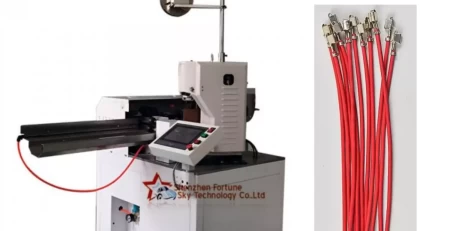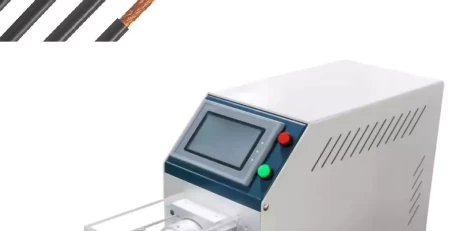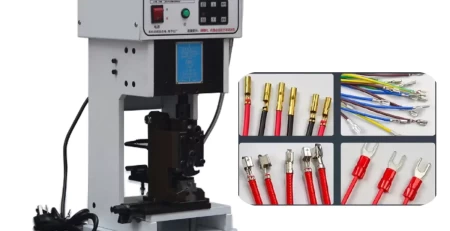
Fix Wire Terminal Crimping Machine: Troubleshooting Guide
Overcoming Connection Challenges: Your Step-by-Step Guide to Troubleshooting Chain Terminal Crimping Machines
For those working in industries like electronics and aviation, ensuring reliable connections formed by chain terminal crimping machines can be a constant battle. Experiencing headaches due to poor contact? You’re not alone. This article delves into the common culprits behind these frustrating issues and offers guidance on achieving secure and lasting connections.
At the heart of the problem lies a web of interrelated factors. Improper design choices, unsuitable materials for the application, unstable crimping dies, machining inconsistencies, and inadequate surface treatments (like heat treatment or plating) can all contribute to poor contact. Even seemingly minor details like the assembly process, storage conditions, and operator technique can play a significant role.
Let’s dissect these common offenders:
Design Deficiencies: Flawed design choices, mismatched material selections, imprecise machining tolerances, and excessively rough surfaces can all lead to compromised connections. For instance, a design that doesn’t account for material properties or thermal expansion could lead to loose connections over time. Additionally, using the wrong material for the wire gauge or application can negatively impact the crimp quality.
Insulation Impediments: Contaminants like metal shavings, dust, flux residue, moisture, or harmful gases can create conductive pathways within the terminal. This can have disastrous consequences, resulting in short circuits, current leakage, equipment breakdowns, and reduced insulation resistance. It’s crucial to maintain a clean work environment and ensure proper terminal cleaning procedures are followed.
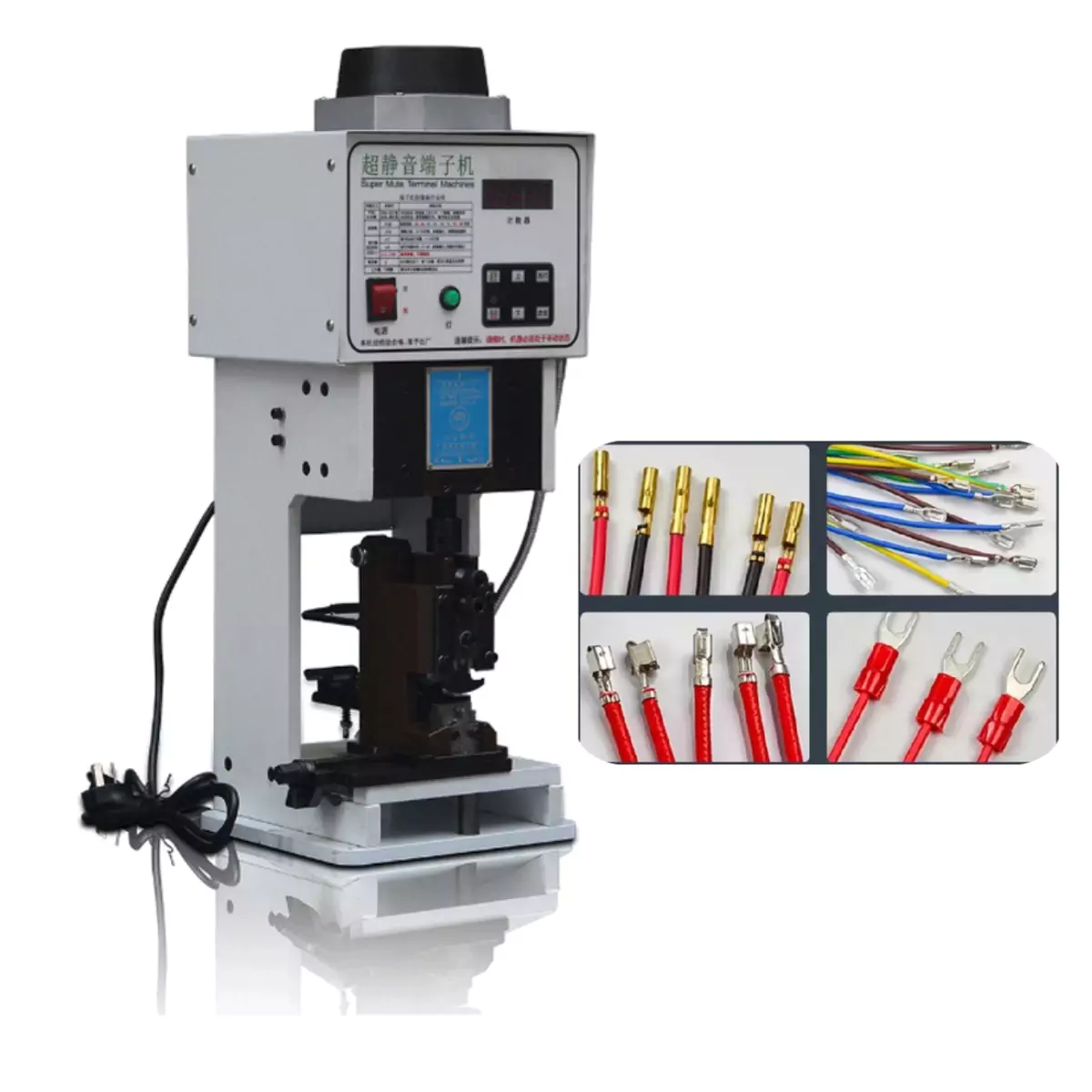
Unstable Crimping: When a chain terminal crimping machine lacks secure fastening, it can cause inconsistent and unreliable connections. This can manifest as unexpected power outages or, in extreme cases, equipment failure due to excessive stress on the connection point. Properly securing the machine is essential for ensuring consistent crimping force and optimal contact quality.
Beyond the Basics: Additional Considerations
While the factors mentioned above represent the most common culprits, other elements can contribute to poor contact in chain terminal crimping machines.
Here are some additional considerations:
Wire Selection: Utilizing the wrong wire gauge or a wire type incompatible with the terminal can lead to a poor fit and potential connection issues. Always ensure compatibility between the wire, terminal, and crimping die for optimal results.
Die Maintenance: Over time, crimping dies can wear and lose their precise shape. Regular inspection and replacement of worn dies are crucial for maintaining consistent crimping quality.
Operator Training: Proper operator training plays a vital role in achieving reliable connections. This includes understanding the machine’s capabilities, selecting the appropriate settings for different wire gauges and terminals, and following established crimping procedures.
Solutions and Support
Fortunately, there are solutions to overcome these challenges. By identifying the root cause of poor contact and implementing corrective measures, you can achieve reliable and long-lasting connections in your chain terminal crimping operations.
Here are some suggestions:
Consult the Experts: Manufacturers and experienced distributors often have valuable expertise in troubleshooting chain terminal crimping machine issues. They can provide guidance on selecting the right equipment, materials, and procedures for your specific application.
Invest in Quality Equipment: Using a well-maintained and reliable chain terminal crimping machine is essential. Consider investing in equipment with features that promote consistent crimping force and offer user-friendly adjustments for different wire sizes and terminals.
Implement Quality Control Measures: Establishing a robust quality control program can help identify and address potential issues before they cause problems down the line. This may include visual inspection of crimped terminals, pull testing to verify crimp strength, and electrical continuity testing to ensure proper connection.
By understanding the causes of poor contact and taking proactive steps to address them, you can ensure your chain terminal crimping operations deliver reliable, long-lasting connections, contributing to the overall success of your projects.
Find expert wire crimping machine technical resources on our specialized page.